Twister Snake Plant: A Unique and Eye-Catching Addition to Your Home
If you're looking for a plant that will add a touch of visual interest to your home, while also being easy to care for, the Twister Snake Plant might just be the perfect choice for you. This unique plant is known for its variegated leaves, which feature a distinctive twist and curl that gives it a dramatic appearance. In this blog post, we'll explore everything you need to know about the Twister Snake Plant, from its origins to its care requirements.
Origins of the Twister Snake Plant
The Twister Snake Plant, also known as Sansevieria 'Twisted Sister', is a cultivar of the Sansevieria trifasciata species. Native to West Africa, Sansevieria plants have been popular houseplants for centuries due to their hardiness and striking appearance. The Twister Snake Plant was first developed in Japan in the late 1990s, and it quickly gained popularity thanks to its unique curled leaves.
What Makes the Twister Snake Plant So Special?
The most obvious feature of the Twister Snake Plant is its twisted leaves, which give it a distinctive appearance that sets it apart from other Sansevieria cultivars. These twisted leaves are caused by a genetic mutation that affects how the plant grows. While some people might consider this mutation a flaw, others appreciate the visual interest it adds to the plant.
But the Twister Snake Plant isn't just a pretty face - it's also an incredibly hardy and low-maintenance plant. It can tolerate a wide range of growing conditions, from bright, indirect light to low-light environments. It's also drought-tolerant, meaning you won't have to water it very often. In fact, overwatering is one of the few things that can harm this plant.
How to Care for Your Twister Snake Plant
While the Twister Snake Plant is a hardy plant, there are still a few things you should keep in mind to ensure it stays healthy and happy. Here are some tips for caring for your Twister Snake Plant:
Light Requirements
Twister Snake Plants prefer bright, indirect light, but they can also tolerate low-light environments. Just be sure to avoid direct sunlight, which can scorch the leaves.
Watering
As mentioned earlier, the Twister Snake Plant is drought-tolerant and doesn't need to be watered very often. In fact, overwatering is one of the few things that can harm this plant. Wait until the soil is completely dry before watering again.
Soil
Twister Snake Plants prefer well-draining soil that's rich in organic matter. You can use a cactus or succulent potting mix, or make your own by mixing equal parts potting soil, sand, and perlite.
Temperature and Humidity
Twister Snake Plants can tolerate a wide range of temperatures, from 50°F to 85°F. They also don't require high humidity levels, so you don't need to worry about misting them.
Fertilizer
Twister Snake Plants don't require a lot of fertilizer, but you can feed them once every six months with a balanced, water-soluble fertilizer.
Propagating Your Twister Snake Plant
If you want to propagate your Twister Snake Plant, you have a few options. The easiest method is division, which involves separating the plant into smaller sections and planting them individually. You can also propagate the plant using leaf cuttings or offsets.
Common Pests and Problems
While the Twister Snake Plant is generally a hardy plant, there are a few pests and problems you might encounter. Here are some common issues and how to deal with them:
Spider Mites
Spider mites are tiny pests that can infest your Twister Snake Plant and cause damage to the leaves. To get rid of them, simply rinse the plant with water and use an insecticidal soap if necessary.
Root Rot
Overwatering can lead to root rot, which is a fungal disease that can kill your plant. If you notice soft, mushy leaves or a foul odor coming from the soil, it's likely your plant has root rot. To prevent this, make sure you're not overwatering your plant and that it's planted in well-draining soil.
The Twister Snake Plant is a unique and eye-catching addition to any home. Not only does it have a dramatic appearance thanks to its twisted leaves, but it's also incredibly hardy and low-maintenance. By following the care tips outlined in this post, you can ensure your Twister Snake Plant thrives for years to come.
Frequently Asked Questions
1. Is the Twister Snake Plant poisonous?
No, the Twister Snake Plant is not poisonous to humans or pets. However, ingesting large quantities of the plant can cause stomach upset.
2. How often should I water my Twister Snake Plant?
Twister Snake Plants don't need to be watered very often - wait until the soil is completely dry before watering again.
3. Can I grow a Twister Snake Plant outdoors?
Yes, Twister Snake Plants can be grown outdoors in warm climates. Just be sure to protect them from frost and direct sunlight.
4. How fast does a Twister Snake Plant grow?
Twister Snake Plants are slow-growing plants, so don't expect them to grow very quickly. However, they can eventually reach a height of around 2-3 feet.
5. Can I propagate my Twister Snake Plant by leaf cuttings?
Yes, you can propagate your Twister Snake Plant using leaf cuttings. Simply cut a leaf into sections and plant them in well-draining soil.
6. How do I know if my Twister Snake Plant needs more or less light?
If the leaves of your Twister Snake Plant are turning yellow or brown, it might be getting too much light. If the leaves are drooping or falling over, it might not be getting enough light.
7. Can I fertilize my Twister Snake Plant with regular houseplant fertilizer?
Yes, you can use a balanced, water-soluble fertilizer to feed your Twister Snake Plant once every six months.
8. How do I deal with spider mites on my Twister Snake Plant?
To get rid of spider mites on your Twister Snake Plant, rinse the plant with water and use an insecticidal soap if necessary.
9. Can I grow my Twister Snake Plant in a terrarium?
No, Twister Snake Plants don't do well in terrariums because they require good air circulation.
10. How often should I repot my Twister Snake Plant?
Twister Snake Plants don't need to be repotted very often - every two to three years should be sufficient.
14 Twister snake plant Images

Buy Lipstick Plant Aeschynanthus Twister XL PBR 2499 Delivery By

Hylotelephium Lime Twister Lime Twister Stonecrop World Of
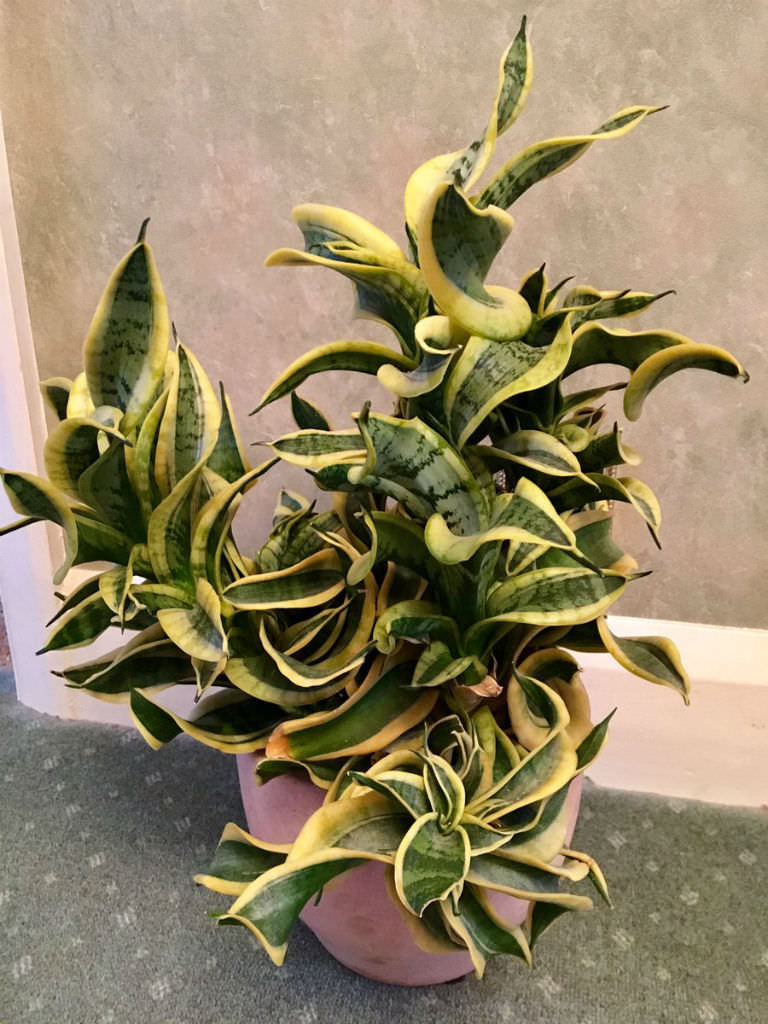
Sansevieria Trifasciata Twisted Sister Twisted Sister Snake Plant

Dracaena Twister Easy Care Plants Dracaena Growing Plants Indoors

Green Twister Echinacea Flowers Perennials Echinacea Perennial Plants

Agapanthus TWISTER Is A Hybrid Created By DE WET PLANT BREEDERS At THE

Sansevieria Snake Plant Made By Painting White Twister Ties And

Twister Agapanthus Plants Plant Nursery Agapanthus

Twister Plant 41518 Plants Houseplants Twister

Green Twister Coneflower Hardy Perennials Plants Green Power

Pin By Lynda Southerby On Mine Tree Photo Plants

Aeschynanthus Lipstick Twister Lipstick Plant Indoor Garden

Dracaena Fragrans Twister House Plants Indoor Shade Plants Dracaena

Spring Hill Nurseries Green Twister Coneflower Echinacea Live
Post a Comment for "Twister Snake Plant: A Unique and Eye-Catching Addition to Your Home"