The Orange Spider Plant: A Stunning Addition to Your Home Decor
Are you looking for a plant that's both visually appealing and easy to care for? Look no further than the orange spider plant! This stunning plant is known for its bright, vibrant leaves and unique growth pattern. In this article, we'll explore everything you need to know about the orange spider plant – from its origins and appearance to its care requirements and medicinal properties.
What is an Orange Spider Plant?
The orange spider plant, also known as Chlorophytum Comosum ‘Fire Flash’, is a popular houseplant that belongs to the Asparagaceae family. It's a variegated cultivar of the spider plant, which is native to South Africa. The plant gets its name from its long, thin leaves that resemble spider legs. The leaves are typically green with white or yellow stripes, but the orange spider plant has a unique feature – its leaves are tinged with bright orange at the tips, giving it a fiery appearance.
Appearance
The orange spider plant is a small, compact plant, growing up to 12 inches tall and 24 inches wide. Its leaves grow in a rosette pattern, forming a neat clump that looks great on shelves, tables, and hanging baskets. The leaves are narrow and arching, growing up to 30 inches long and 1 inch wide. They have a pointed tip and a slightly serrated edge. The base of each leaf is thickened, allowing it to store water during dry periods.
Origins
As mentioned earlier, the spider plant is native to South Africa. It was first discovered by a botanist named Carl Thunberg in the late 18th century. The plant was introduced to Europe in the early 19th century and quickly became a popular houseplant due to its ease of care and attractive appearance. Today, there are many cultivars of the spider plant, including the orange spider plant.
Care Requirements
The orange spider plant is a low-maintenance plant that's perfect for beginners and experienced gardeners alike. Here are some tips on how to care for your orange spider plant:
Light
The orange spider plant prefers bright, indirect light. It can tolerate some direct sunlight, but too much can damage the leaves. If you notice that the leaves are turning brown or yellow, move the plant to a shadier spot.
Watering
The orange spider plant likes to be kept consistently moist, but not waterlogged. Water the plant once a week, allowing the soil to dry slightly between waterings. During the winter months, reduce watering to once every two weeks.
Soil
The orange spider plant prefers well-draining soil that's rich in organic matter. A mix of peat moss, perlite, and vermiculite works well.
Temperature
The orange spider plant thrives in temperatures between 60°F and 75°F (15°C to 24°C). It can tolerate temperatures as low as 50°F (10°C) and as high as 85°F (29°C), but it may suffer if exposed to extreme temperatures for long periods.
Humidity
The orange spider plant likes humid environments, but it can tolerate low humidity levels. You can increase humidity by misting the leaves with water or placing a bowl of water near the plant.
Fertilizer
The orange spider plant doesn't require fertilization, but you can feed it once a month during the growing season with a balanced fertilizer.
Propagation
The orange spider plant can be propagated by dividing the clump or planting the plantlets that grow from the mother plant's runners. To propagate by division, remove the plant from its pot and gently separate the clumps into smaller sections. Plant each section in a separate pot with fresh soil.
Medicinal Properties
The orange spider plant has several medicinal properties. It's known to improve air quality by removing toxins such as formaldehyde, benzene, and carbon monoxide from the air. It's also believed to have anti-inflammatory properties that can help reduce swelling and inflammation.
Common Problems
Like all plants, the orange spider plant is susceptible to pests and diseases. Here are some common problems and how to treat them:
Spider Mites
Spider mites are small, red or brown insects that infest plants. They feed on the plant's sap, causing yellowing leaves and stunted growth. To treat spider mites, spray the plant with a mixture of water and dish soap. You can also use an insecticidal soap or neem oil.
Mealybugs
Mealybugs are white, cottony insects that infest plants. They feed on the plant's sap, causing yellowing leaves and stunted growth. To treat mealybugs, wipe the plant with a cotton swab dipped in alcohol. You can also use an insecticidal soap or neem oil.
Brown Tips
Brown tips on the leaves of the orange spider plant can be caused by overwatering or underwatering. To prevent brown tips, make sure you're watering your plant correctly and not exposing it to extreme temperatures.
The orange spider plant is a stunning addition to any home decor. With its bright orange-tipped leaves and unique growth pattern, it's a plant that's sure to catch the eye. And with its low-maintenance care requirements and medicinal properties, it's a plant that's easy to love. So why not add an orange spider plant to your collection today?
Frequently Asked Questions
Q1. Can I propagate an orange spider plant in water?
Yes, you can propagate an orange spider plant in water. Simply place the plantlet in a jar of water and change the water every few days. Once roots to appear, you can transplant the plant into soil.
Q2. How often should I fertilize my orange spider plant?
You can fertilize your orange spider plant once a month during the growing season with a balanced fertilizer.
Q3. Can an orange spider plant grow outdoors?
The orange spider plant is a tropical plant that prefers warm, humid environments. It can be grown outdoors in USDA zones 9-11, but it's best to keep it indoors in colder regions.
Q4. How big does an orange spider plant get?
The orange spider plant is a small, compact plant that grows up to 12 inches tall and 24 inches wide.
Q5. How much light does an orange spider plant need?
The orange spider plant prefers bright, indirect light. It can tolerate some direct sunlight, but too much can damage the leaves.
Q6. Can an orange spider plant be grown hydroponically?
Yes, an orange spider plant can be grown hydroponically. Simply place the plant in a hydroponic system and provide it with nutrients.
Q7. Are orange spider plants toxic to pets?
No, orange spider plants are not toxic to pets. They're safe for cats, dogs, and other household pets.
Q8. How often should I water my orange spider plant?
Water your orange spider plant once a week, allowing the soil to dry slightly between waterings. During the winter months, reduce watering to once every two weeks.
Q9. How do I know if my orange spider plant is getting too much or too little water?
If the leaves of your orange spider plant are turning brown or yellow, it may be getting too much water. If the leaves are dry and crispy, it may be getting too little water.
Q10. Can I grow an orange spider plant from seed?
Yes, you can grow an orange spider plant from seed. However, it's easier to propagate the plant by dividing the clump or planting the plantlets that grow from the mother plant's runners.
15 Orange spider plant Images
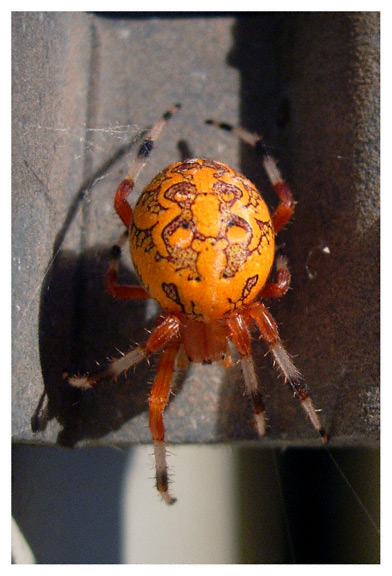
Spider Orange And Google Images On Pinterest

Why Are The Leaves On My Spider Plant Turning Brown Spider Plants

Pin On Gardening

Never Seen One Before A Gravid Female Araneus Large Orange Spider

Why Spider Plants Turn Yellow

Purrfectplants On Instagram Curly Spider Plant Steals The Show Again

Orange Spider Araneus Iviei BugGuideNet Orange Spider Spider

Orange Spider Plant Chlorophytum Amaniense Fire Flash

Shop Faux Orange Spider Dahlia Stem Spike Up Fall Decor With Our Faux

Large Green And Orange Spider Click Here To Open A New Window With

Pin On Theraphosidae

Houseplants Spider Plant In 2020 Spider Plants Houseplants Low Light

Orange Spider Chrysanthemum Stem 50 Off Com Imagens

Orange Garden Spider Ok That Is Such A Boring Name How Come

Spider Plant Variegated Airplane Plant Live Plant Fit 1QRT Pot Indoor
Post a Comment for "The Orange Spider Plant: A Stunning Addition to Your Home Decor"